Health 3.0 marks a shift in how we think about healthcare. We are living longer than ever, but around half of that life is still spent in poor or moderate health. The patient is becoming a consumer, and AI is changing how we navigate our health and care.
This afternoon was dedicated to the shift from lifespan to healthspan.







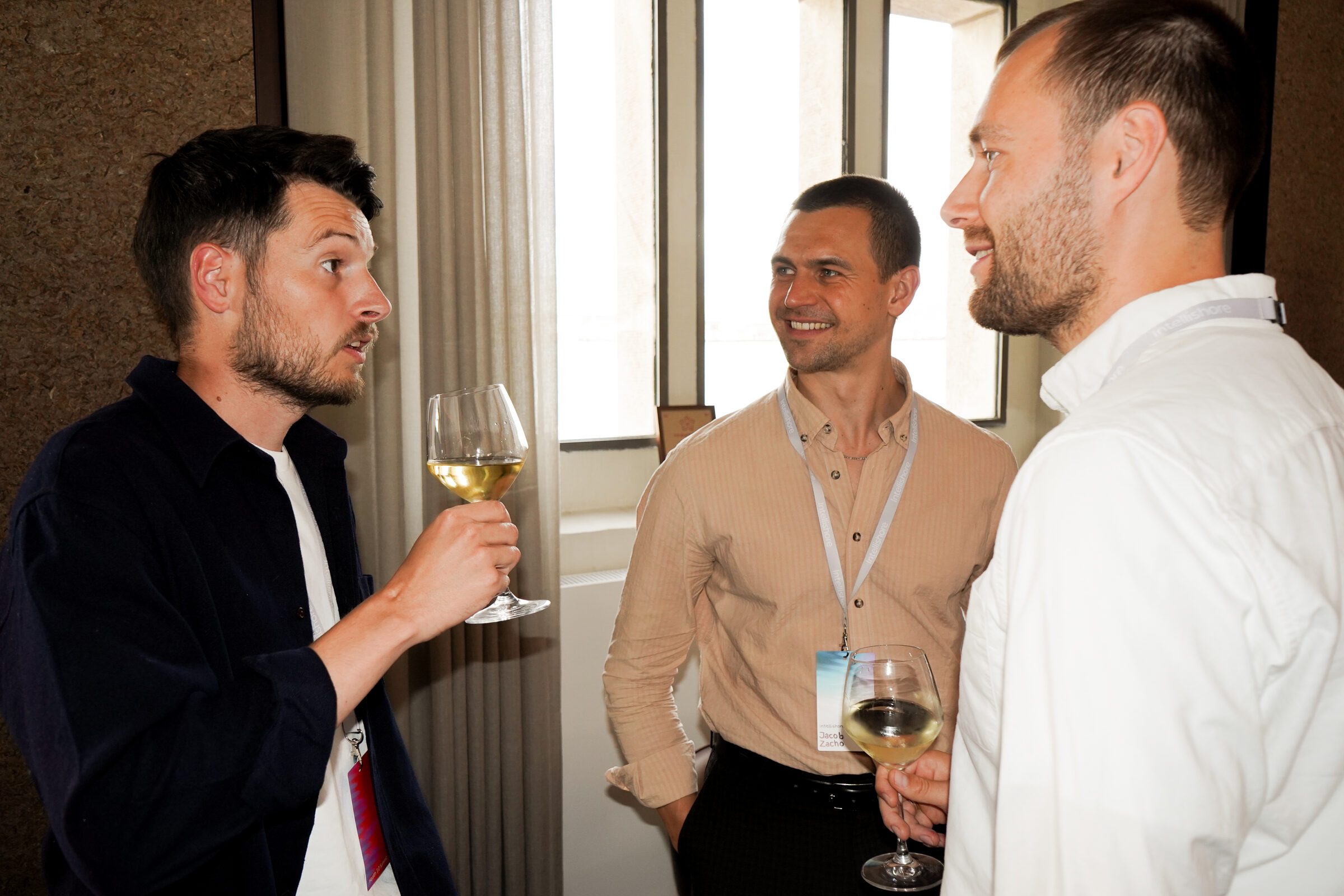
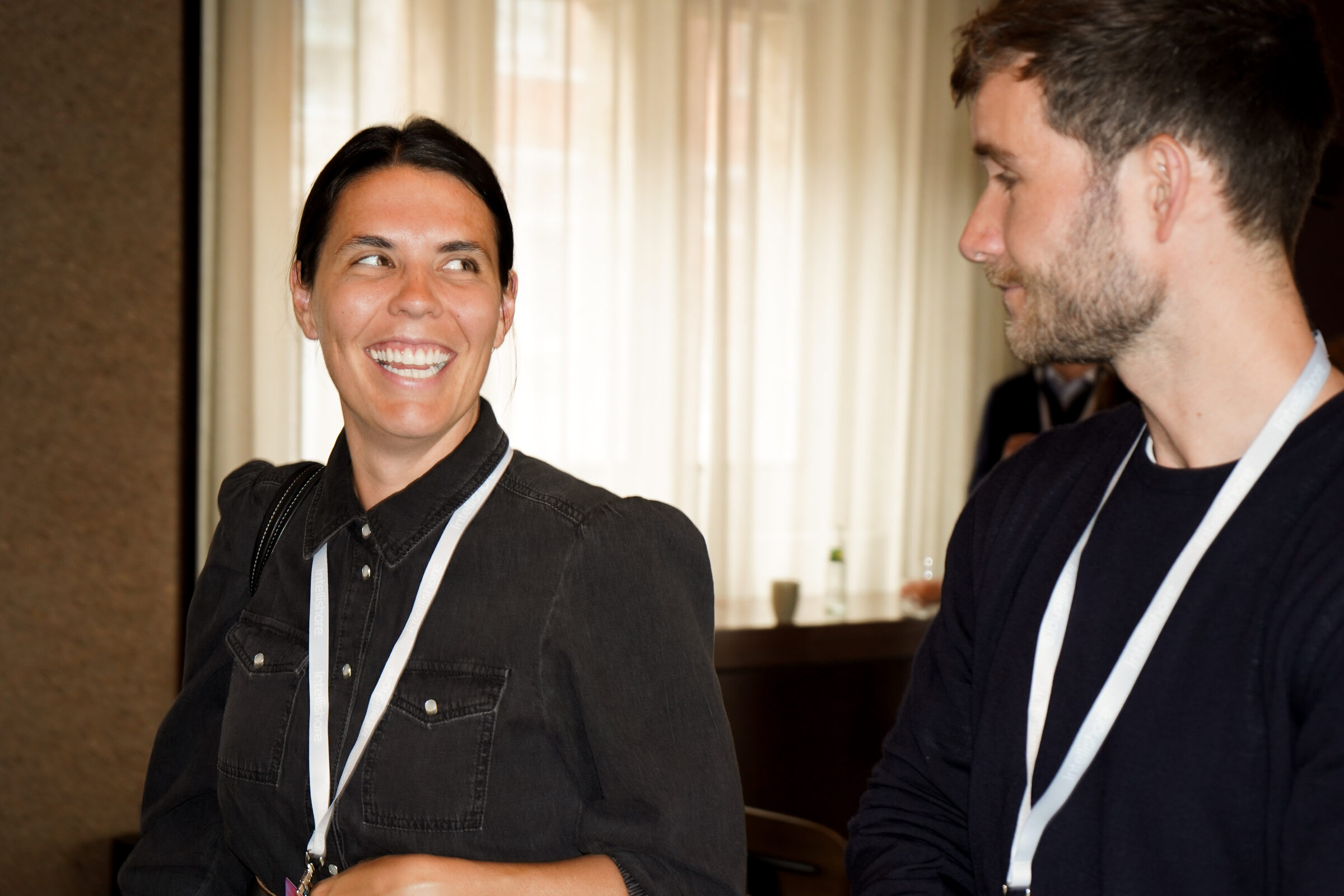
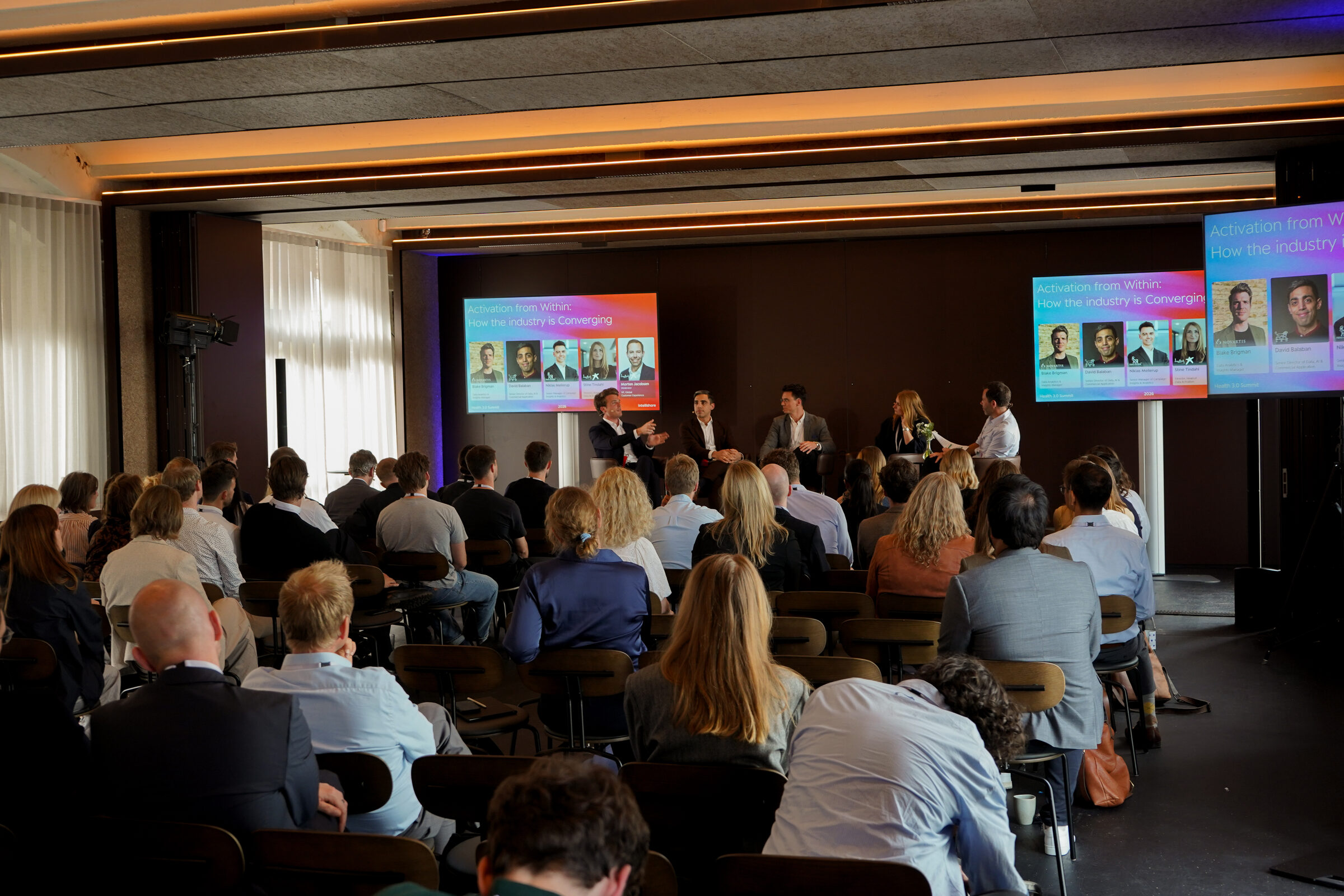
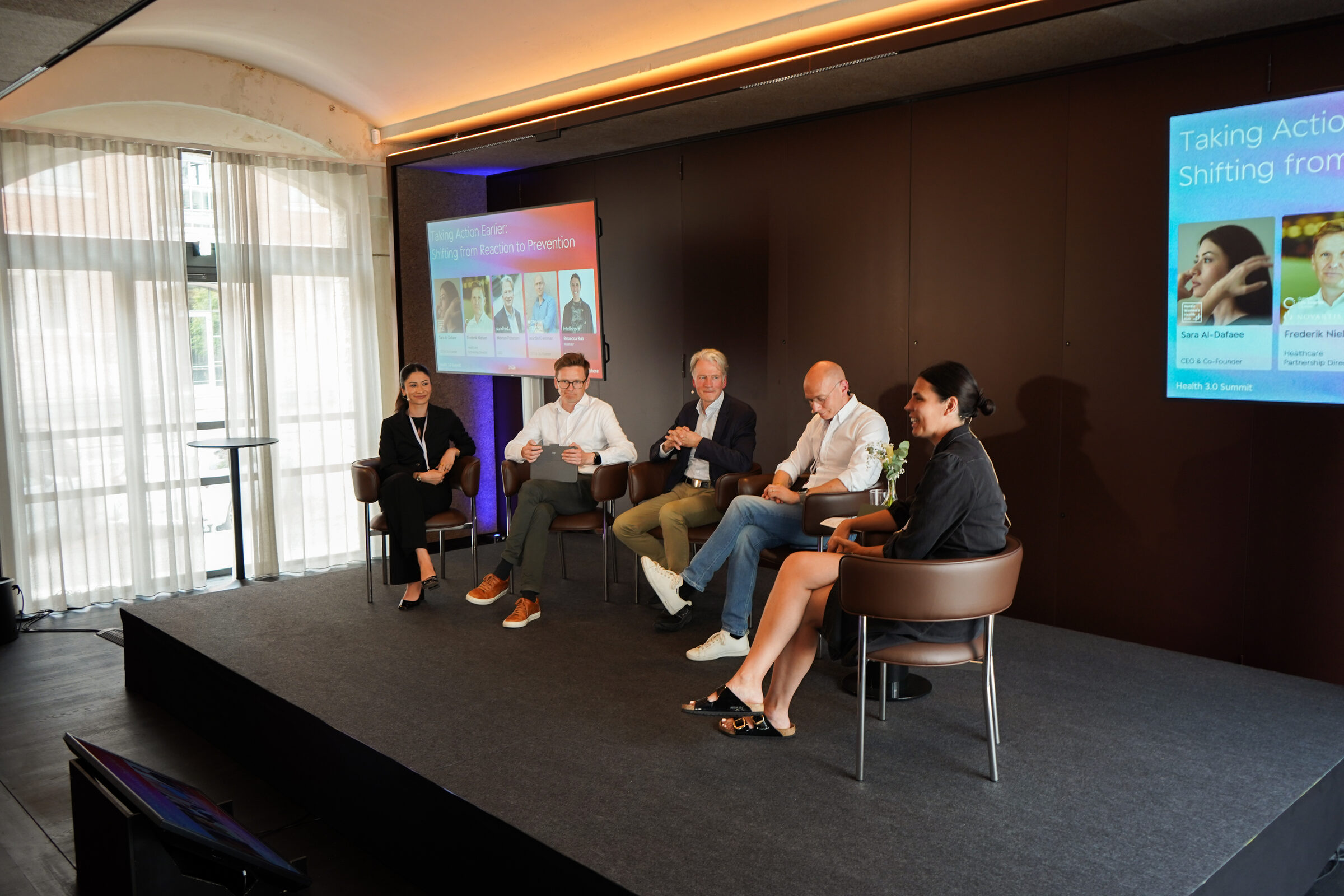
Impressions of the day
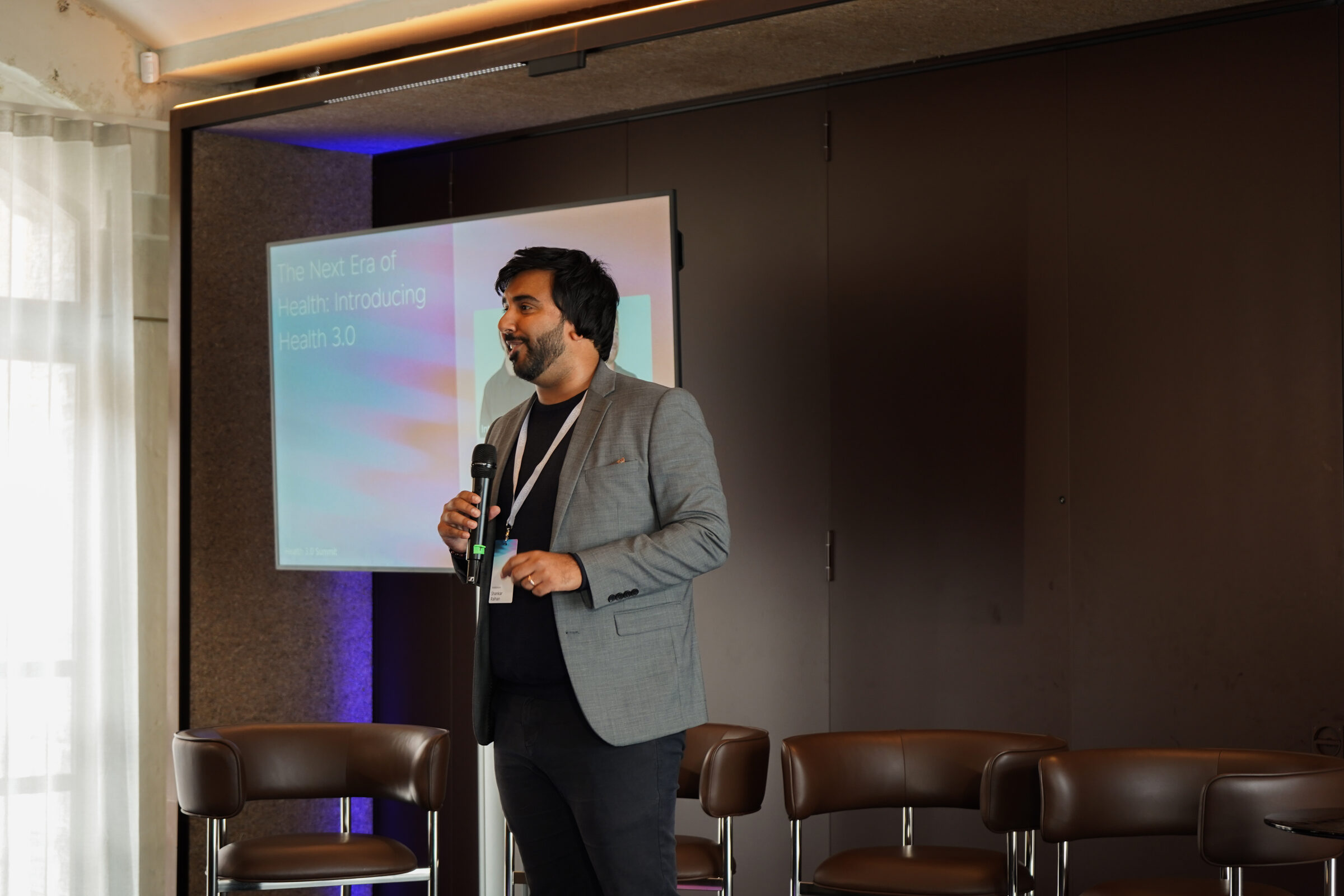
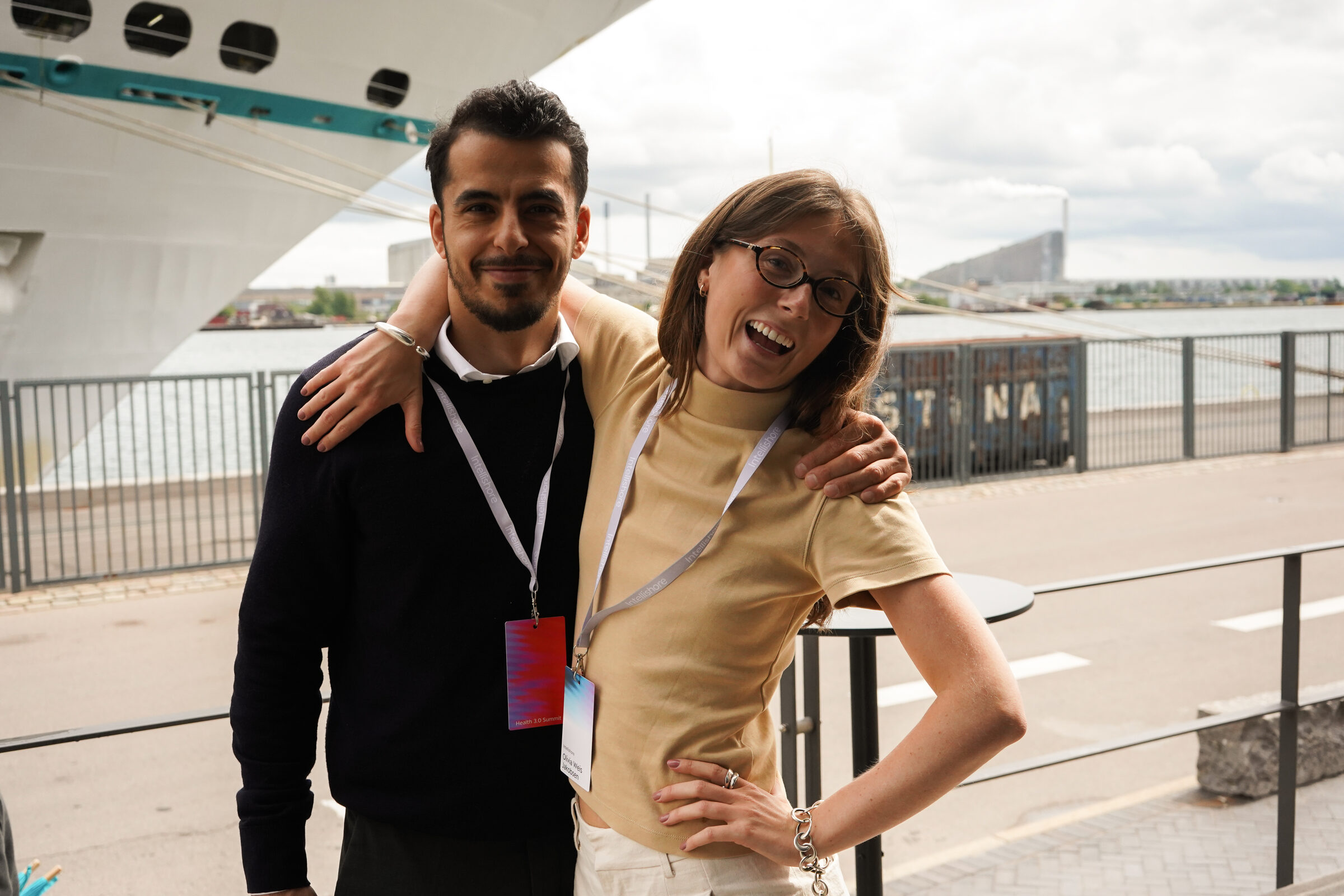
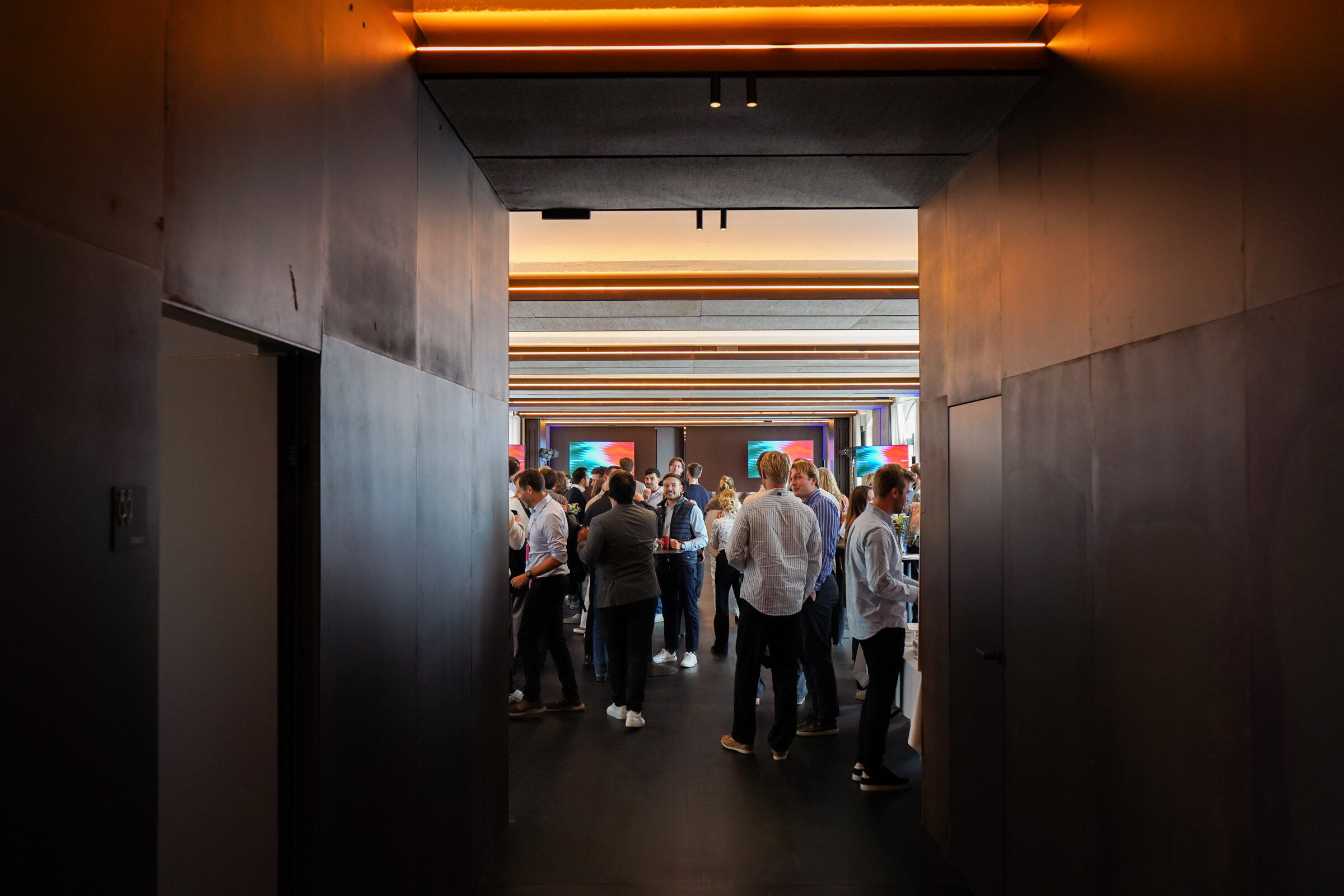
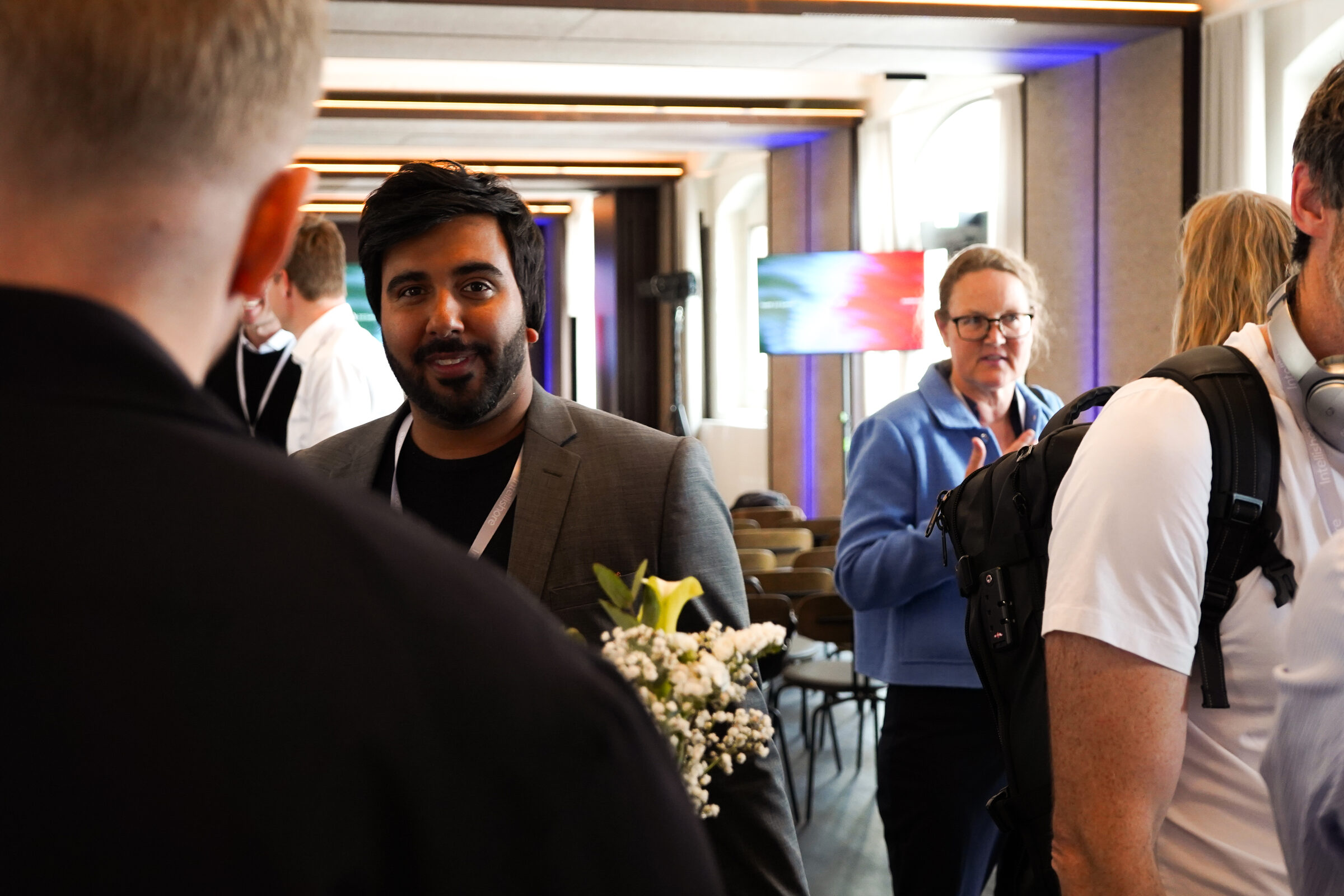
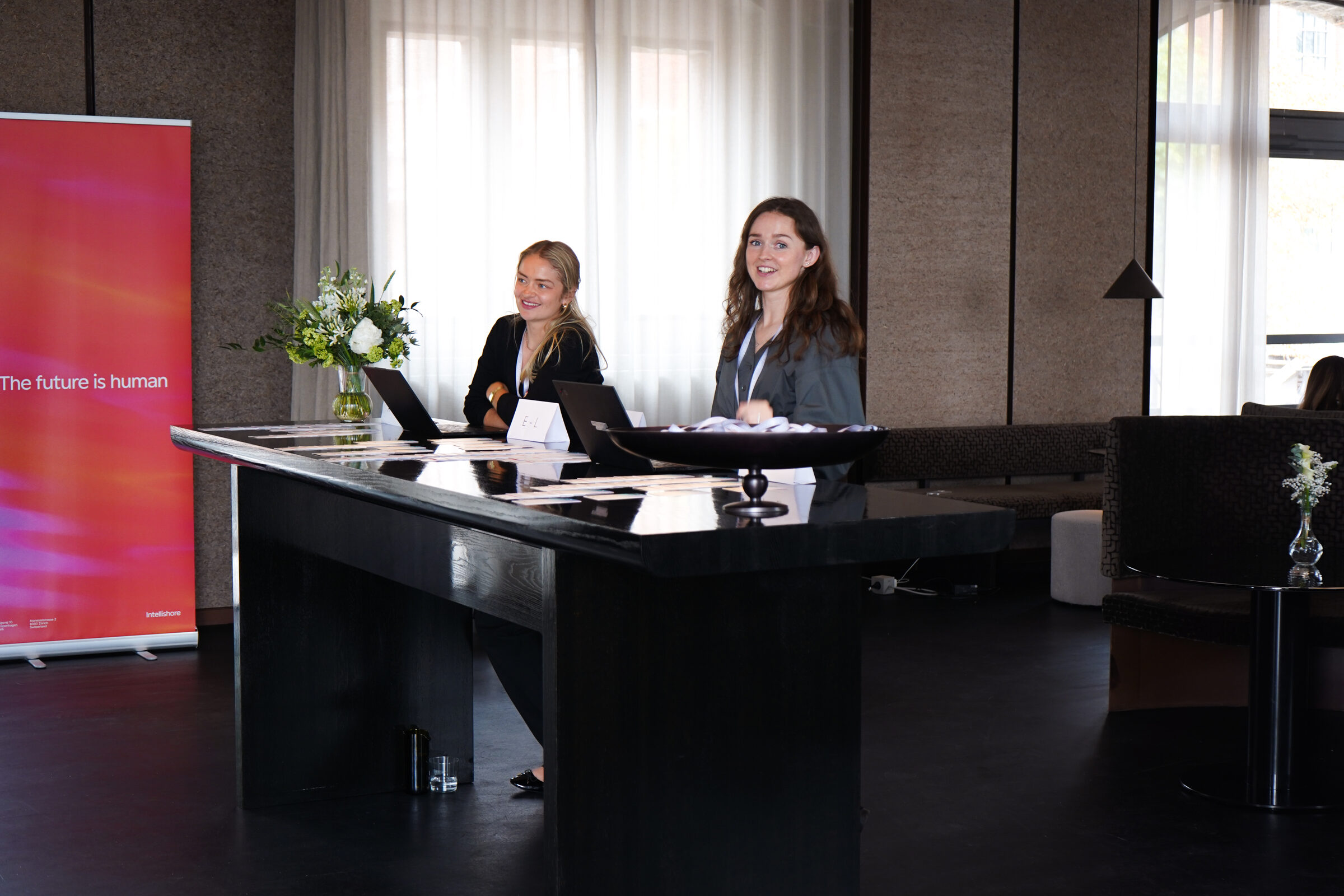
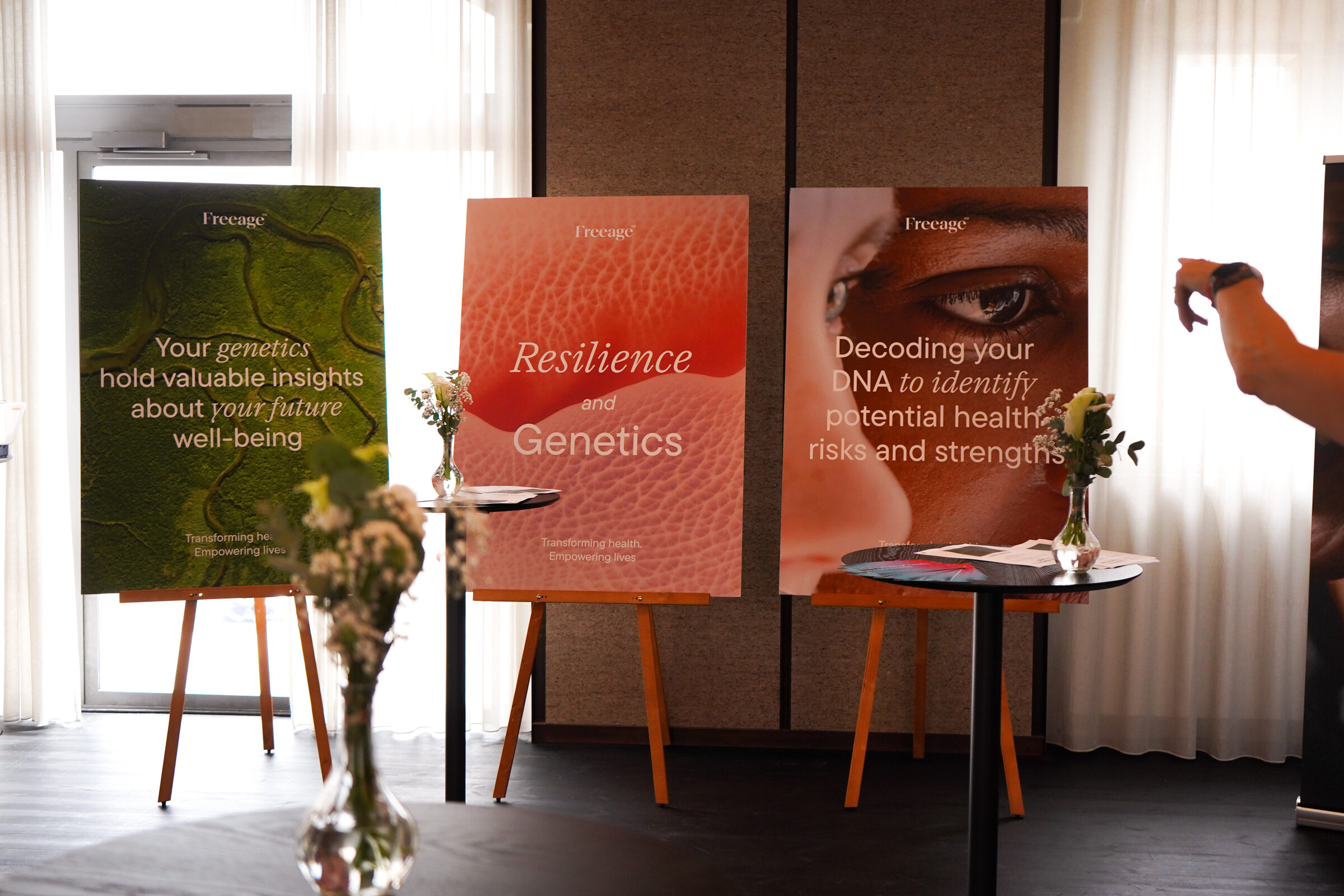
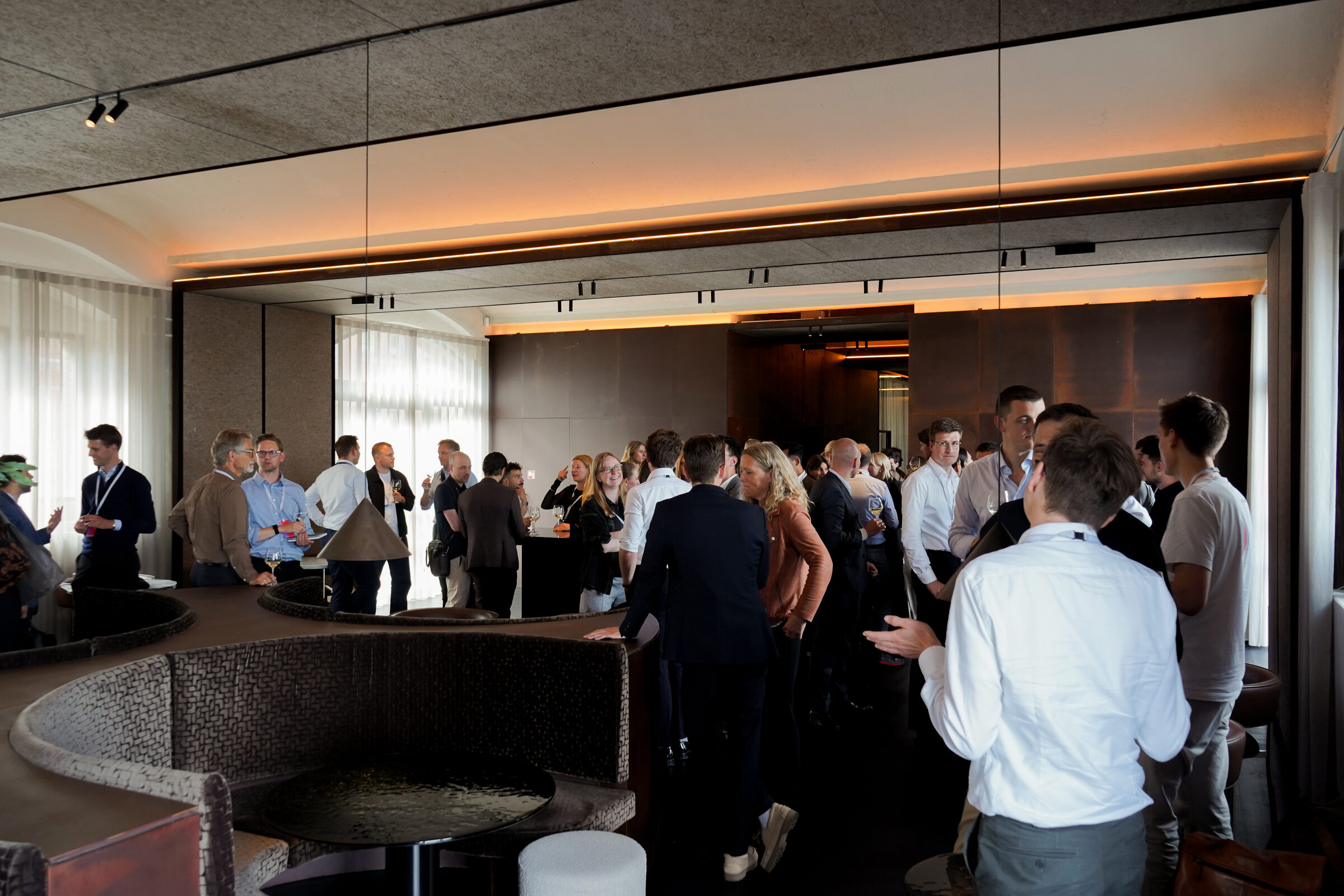
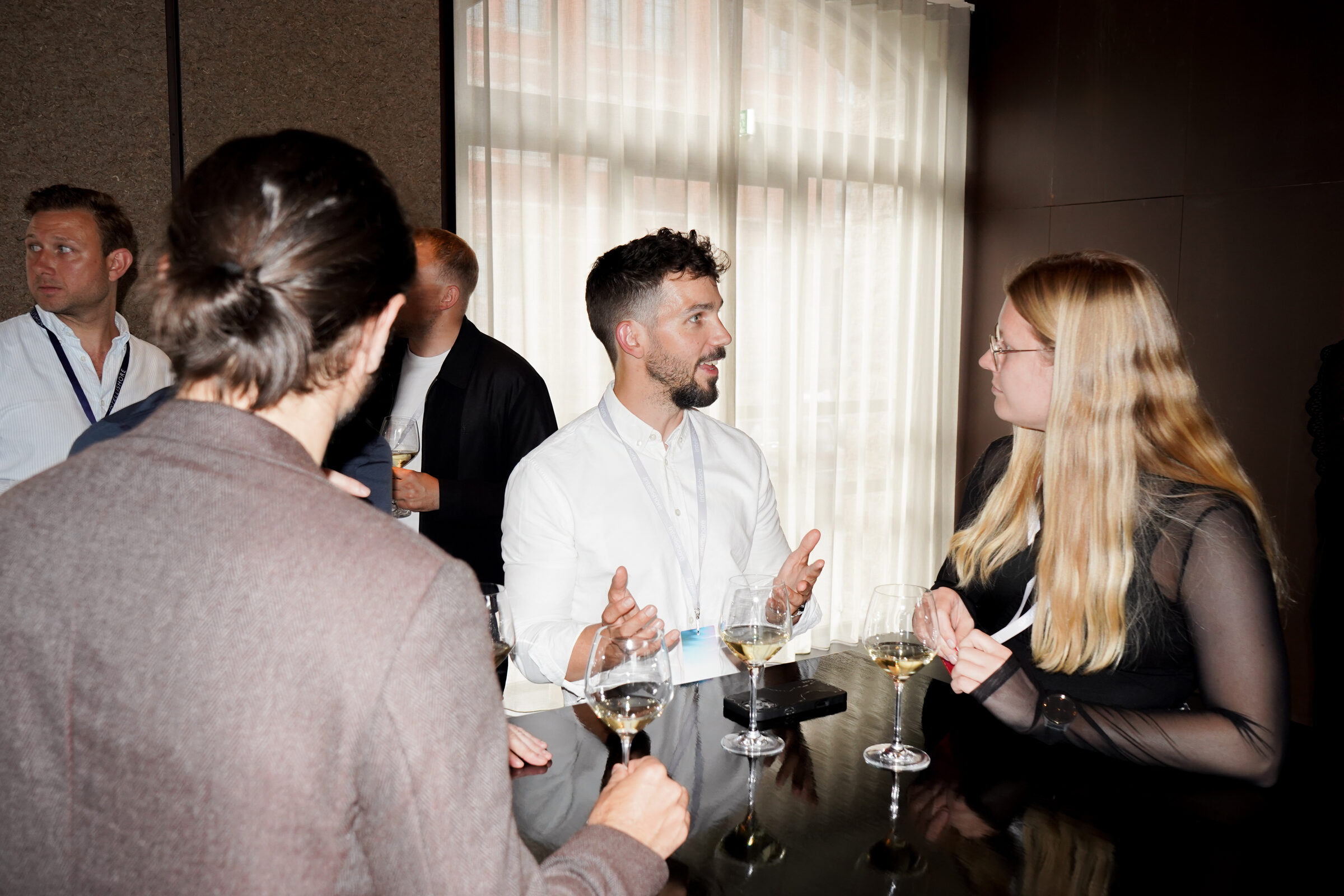
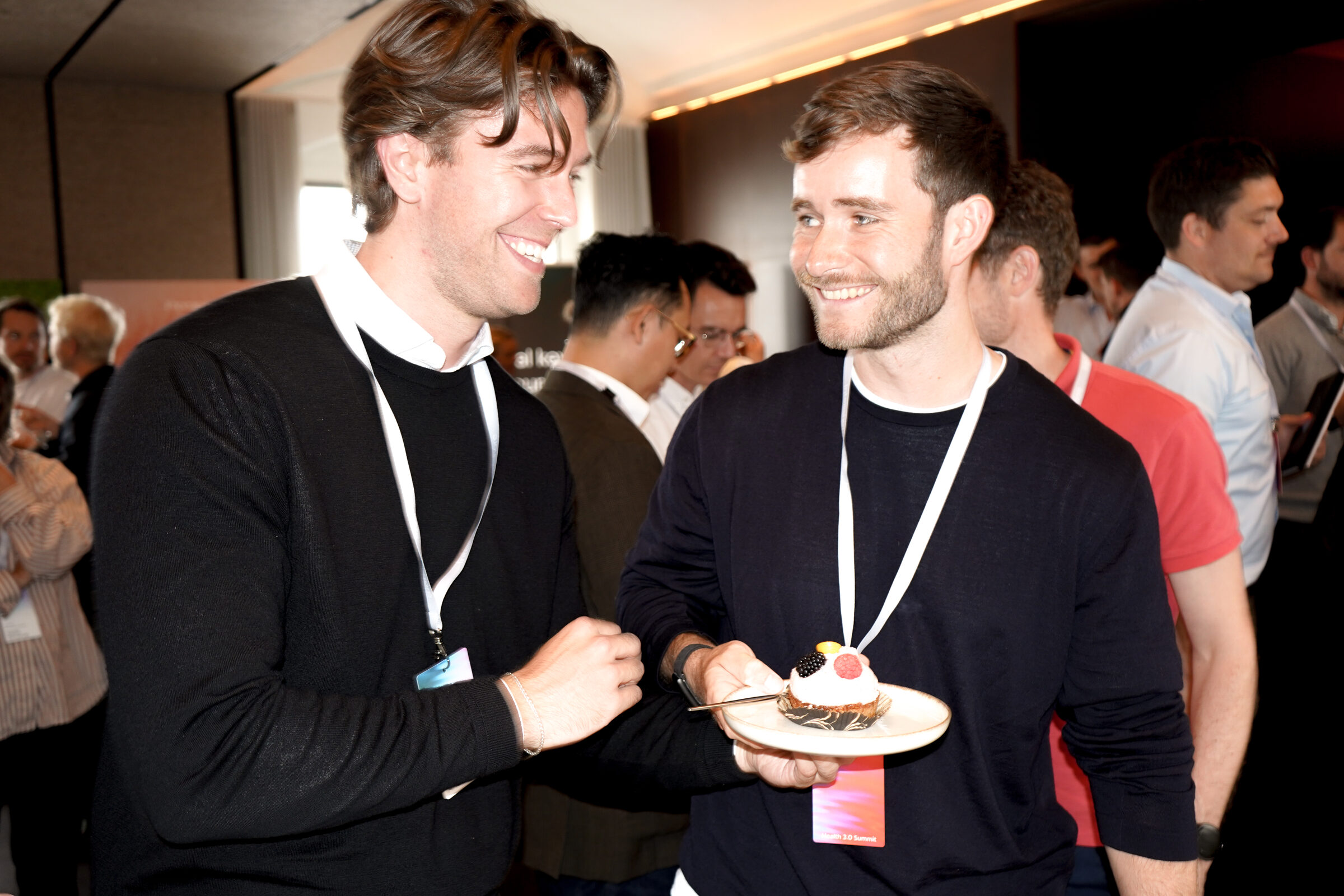
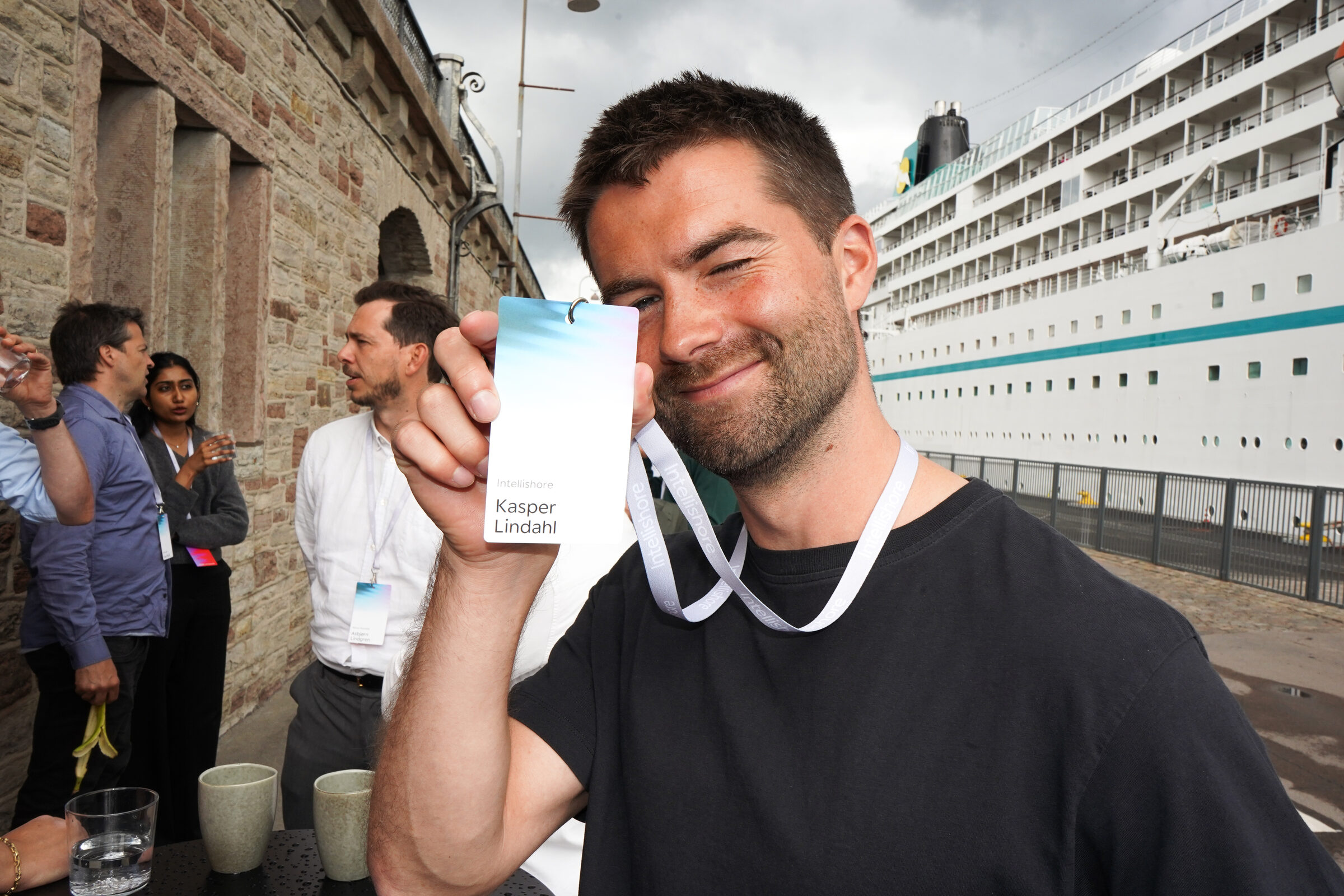
This was a big day for us. 140 people came together to talk about where healthcare is headed, and it made for an afternoon we're proud of. A huge thank you to everyone who joined us, and to our speakers and panelists.


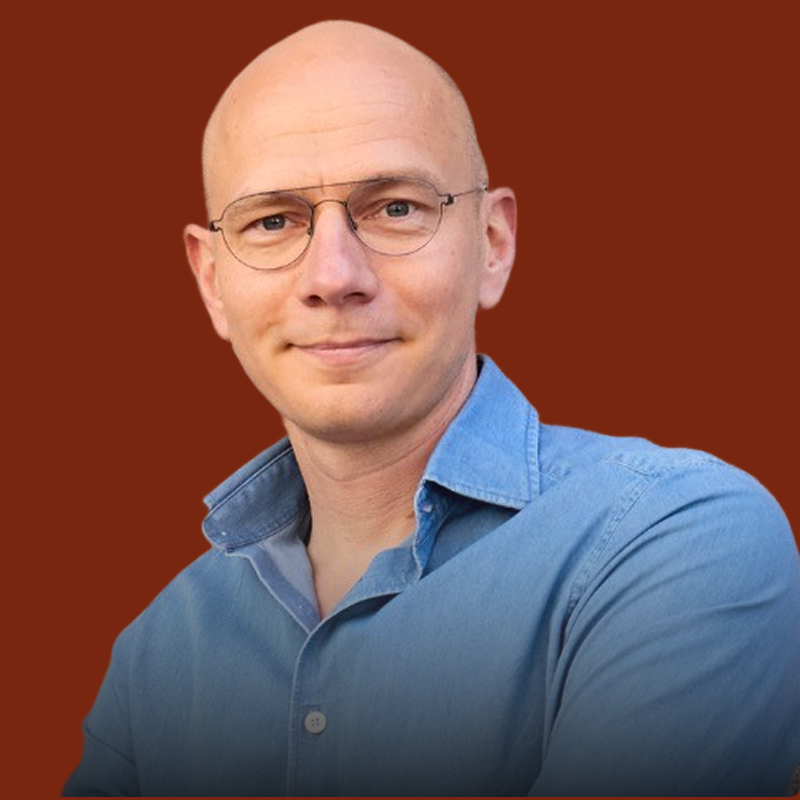
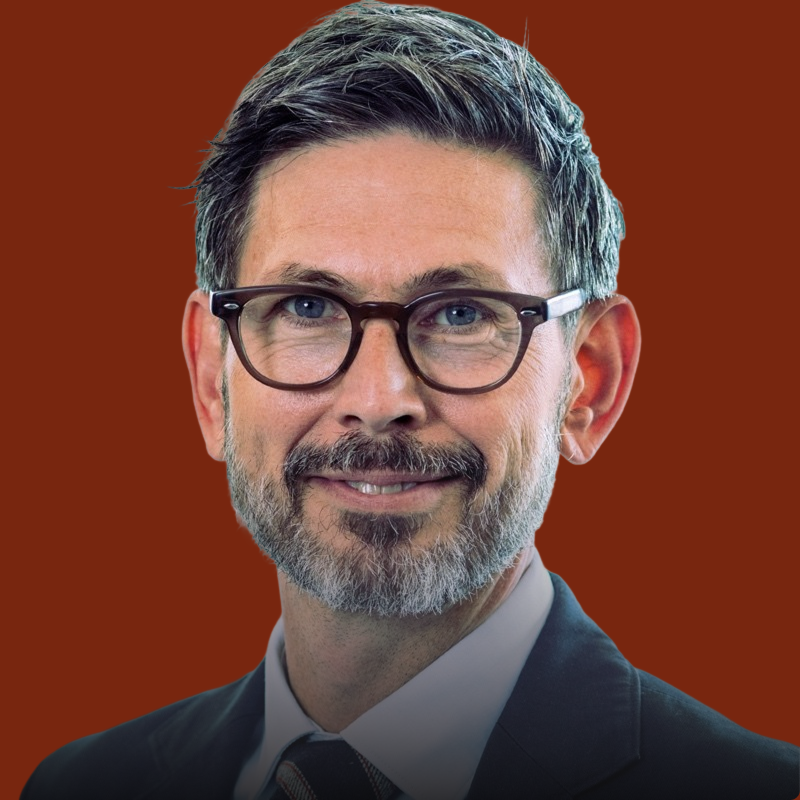
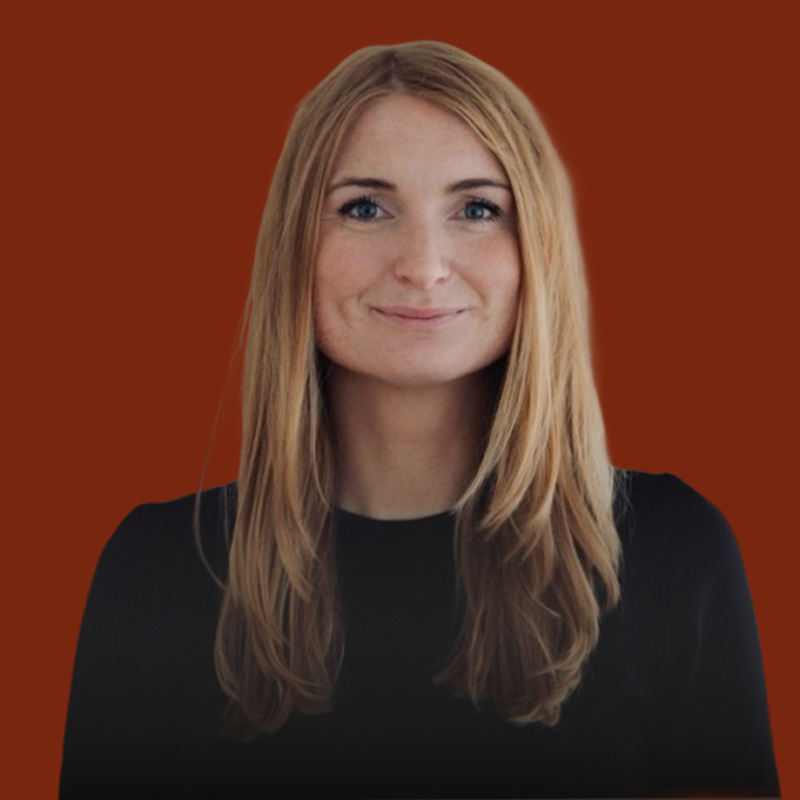
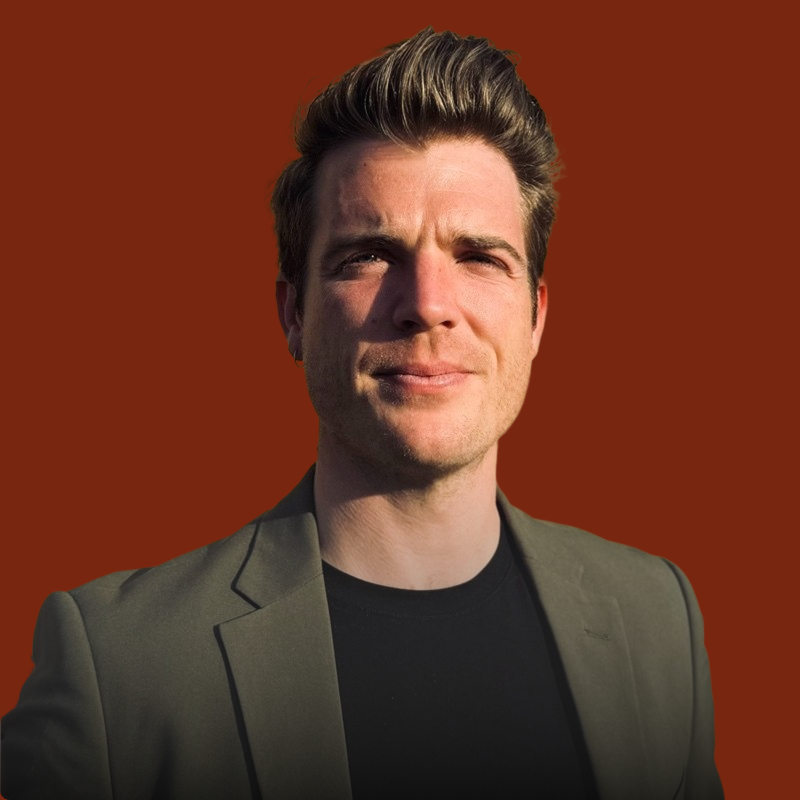
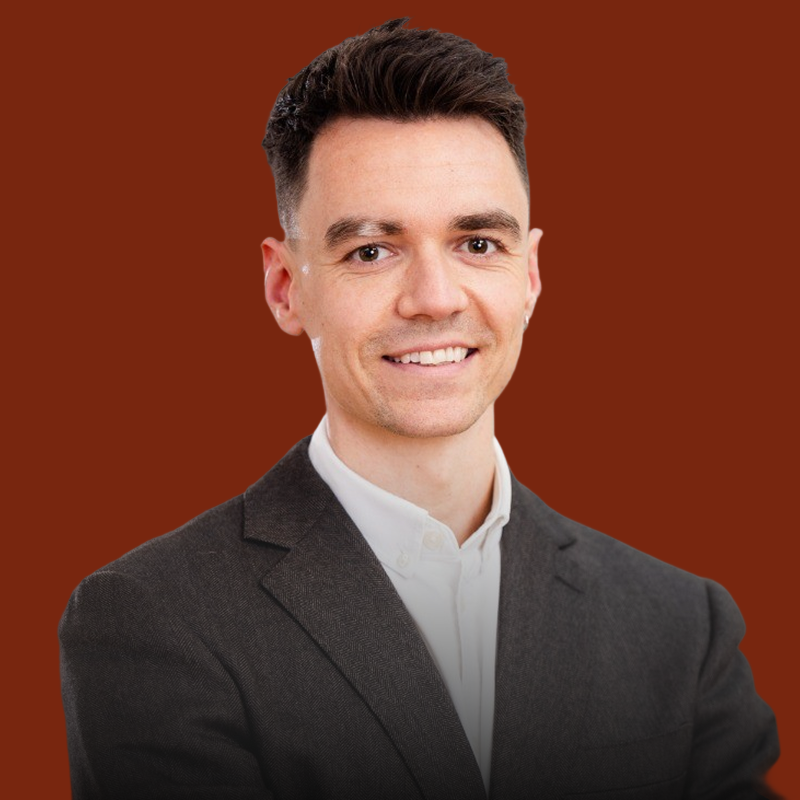
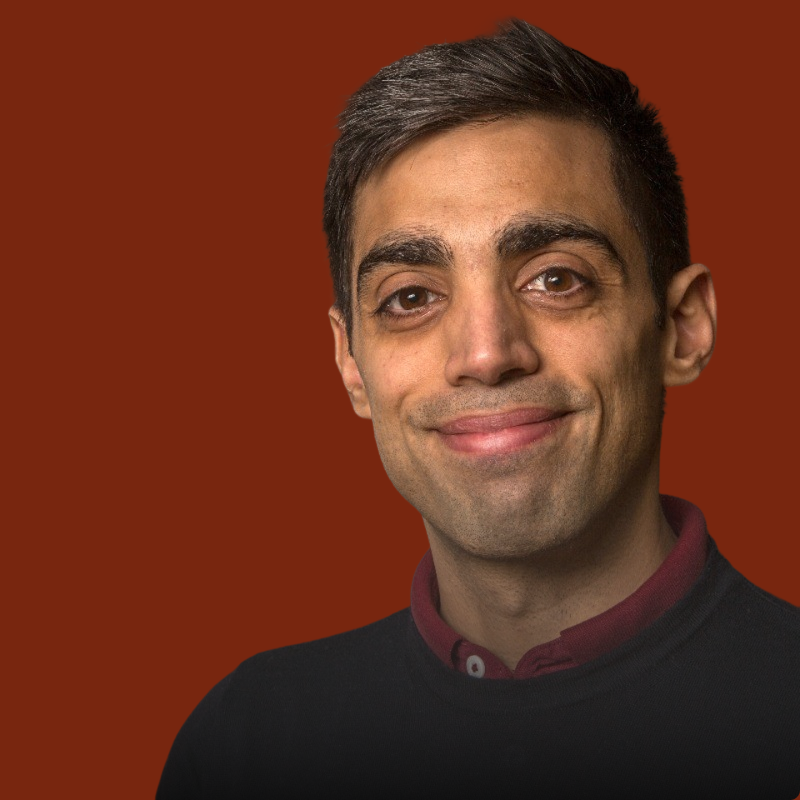
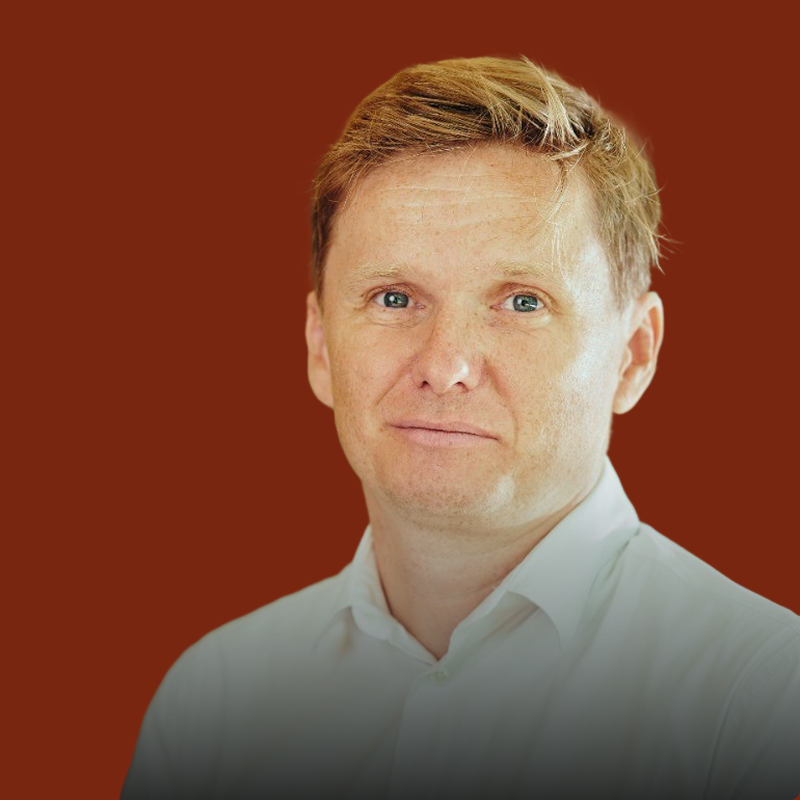
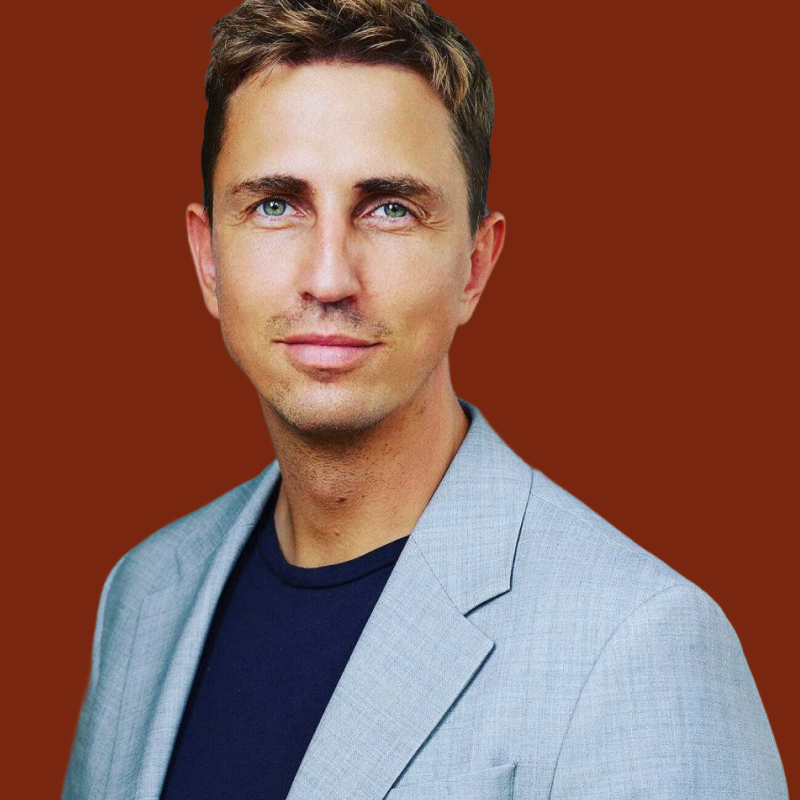
Meet the speakers
What we explored
From new patient journeys to organizational transformation, we brought together leaders from the healthcare industry to explore what Health 3.0 looks like in practice.
Life science organizations are being asked to show up differently across the full patient journey. What does that look like in practice?
We have more data than ever before. How do we turn it into decisions that change health outcomes?
No single actor can transform our healthcare system alone. What partnerships do we need to move patients forward?
The biggest barrier to change is often internal. How are organizations evolving to meet the moment?
From early identification through diagnosis, treatment, and adherence. What solutions support tomorrow's health journey?
From clinical decision-making to patient identification - how AI is entering the workflow, and what it means for the industry.
The system meets most patients too late. What does it take to act earlier? And who needs to make that happen?
Real examples from organizations that are making data, AI, and cross-sector collaboration work - and what others can learn from them.
The best conversations shift how you see things. Hear from voices across the ecosystem and leave with new perspectives.
Featured sessions

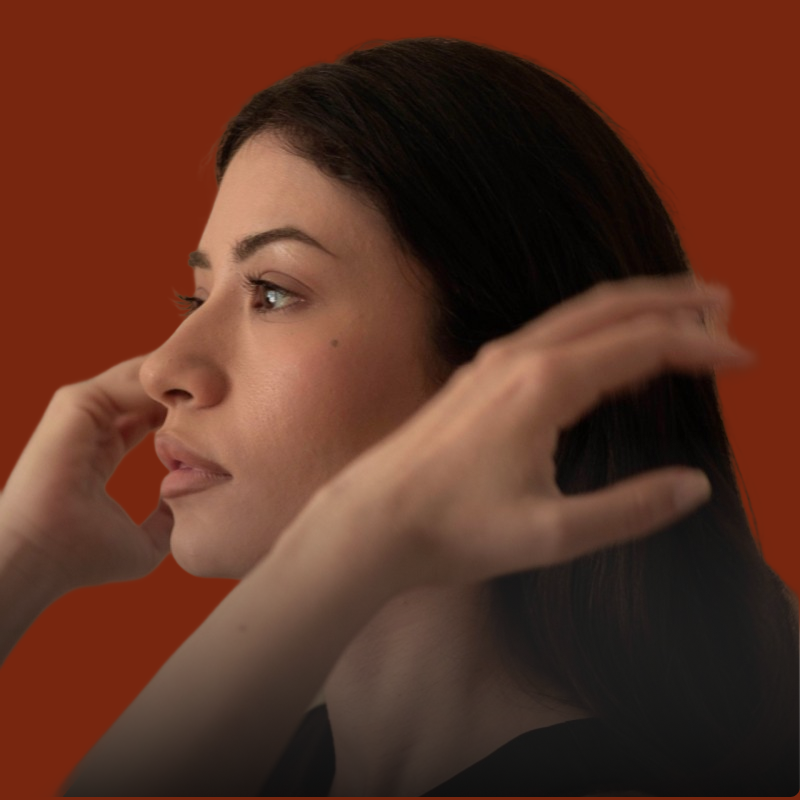
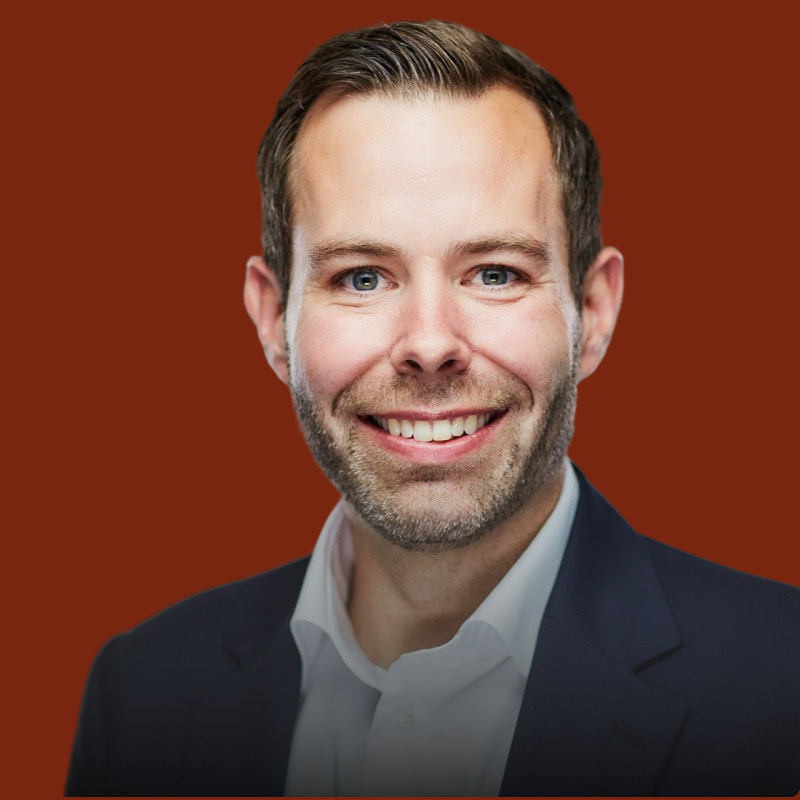
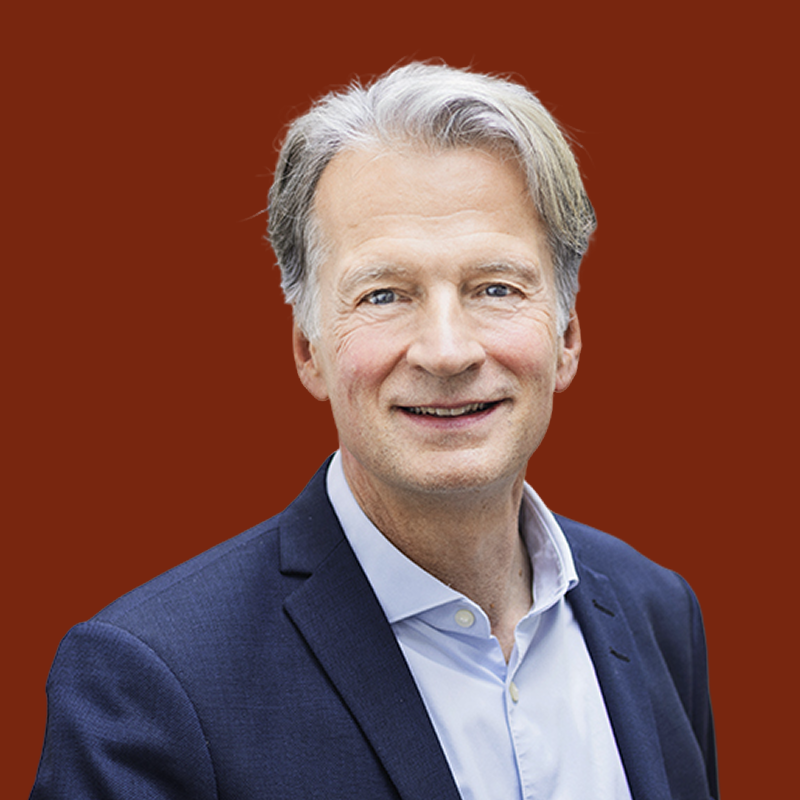
Sara Al Dafaee (Nordic Women's Health Hub) · Frederik Knud Nielsen (Novartis & Danish Life Science Cluster) · Morten Elbæk Petersen (sundhed.dk) · Martin Kremmer (Freeage & Copenhagen Health Week)
The move to proactive care
Why are we still missing patients despite having the data, the solutions, and the intent? This panel explores why early intervention remains so difficult in practice, and what needs to change for that to shift. With four different perspectives, we'll examine the systemic blind spots that leave patients unidentified, the collaborations needed to reduce friction across the patient journeys, and the persistent gap between data and action.
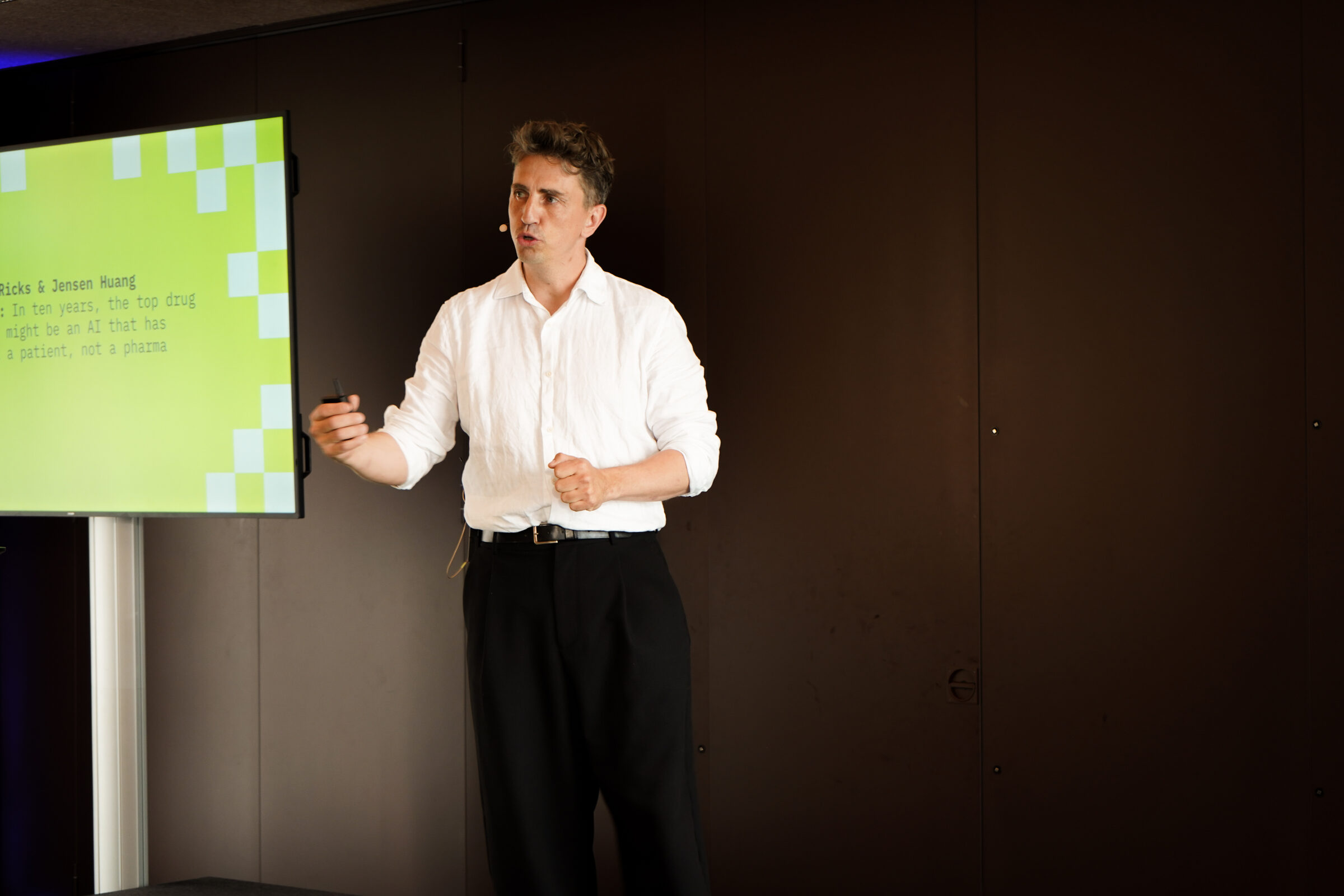
Every day, critical information moves through healthcare and life sciences organizations - and too much of it gets lost. In clinical encounters, signals go unrecorded. In pharma workflows, unstructured data never becomes actionable insight. The gap between what's known and what gets captured is one of the most consequential problems in the industry. Corti shows what becomes possible when AI is embedded directly into those workflows - from specialized agents and text generation to clinical decision support - turning unstructured data into structured decisions, at scale, across healthcare and life sciences.

Andreas Cleve (Corti)

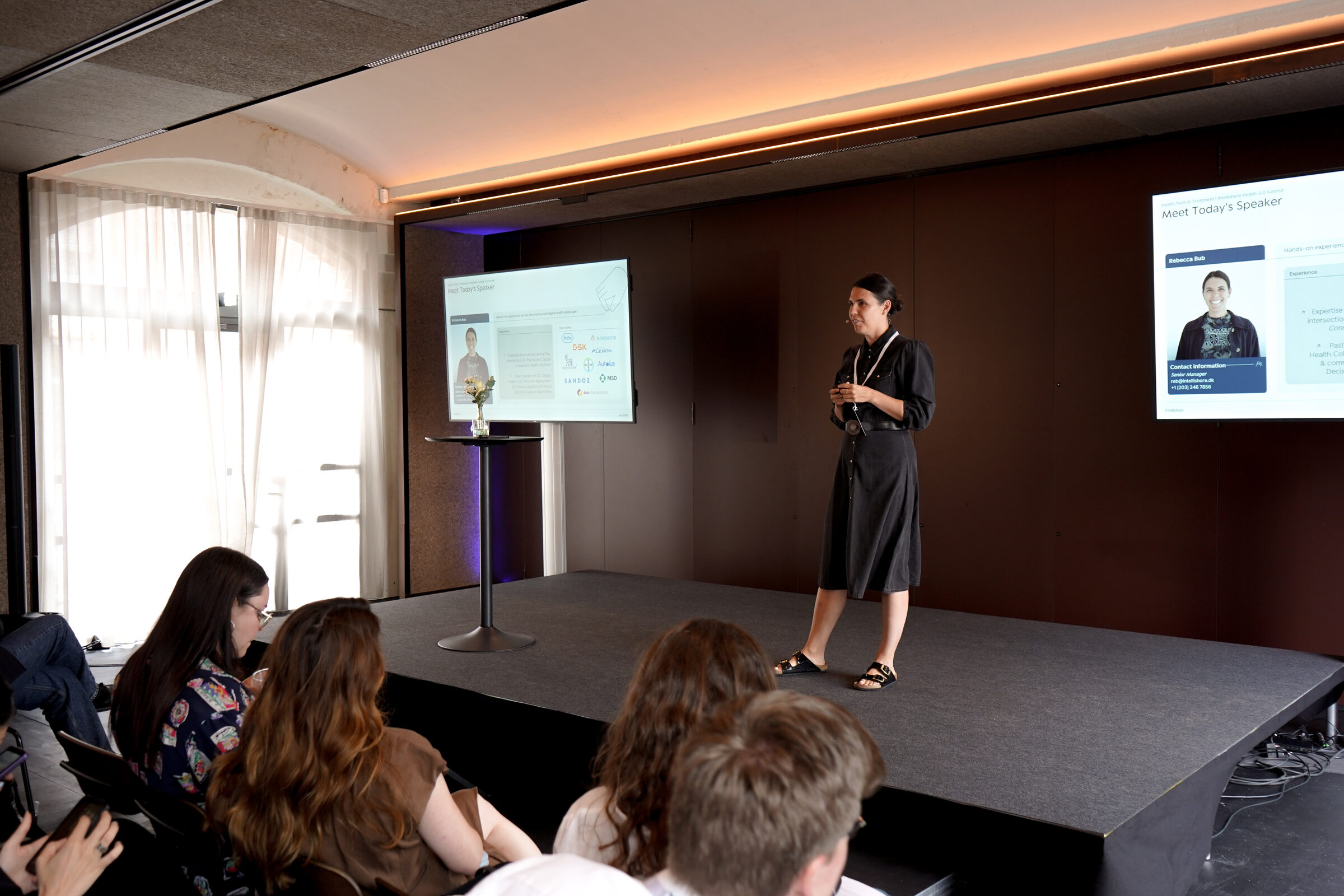
Rebecca Bub (Intellishore)
Pharma owns the molecule, medtech owns the device, and digital health owns the data - yet few have tried to own the full treatment experience. This session examines how health tech sits at the convergence of all three, explores a decade of lessons from digital health in treatment, and asks what structural shifts are needed for technology to truly transform how patients are treated
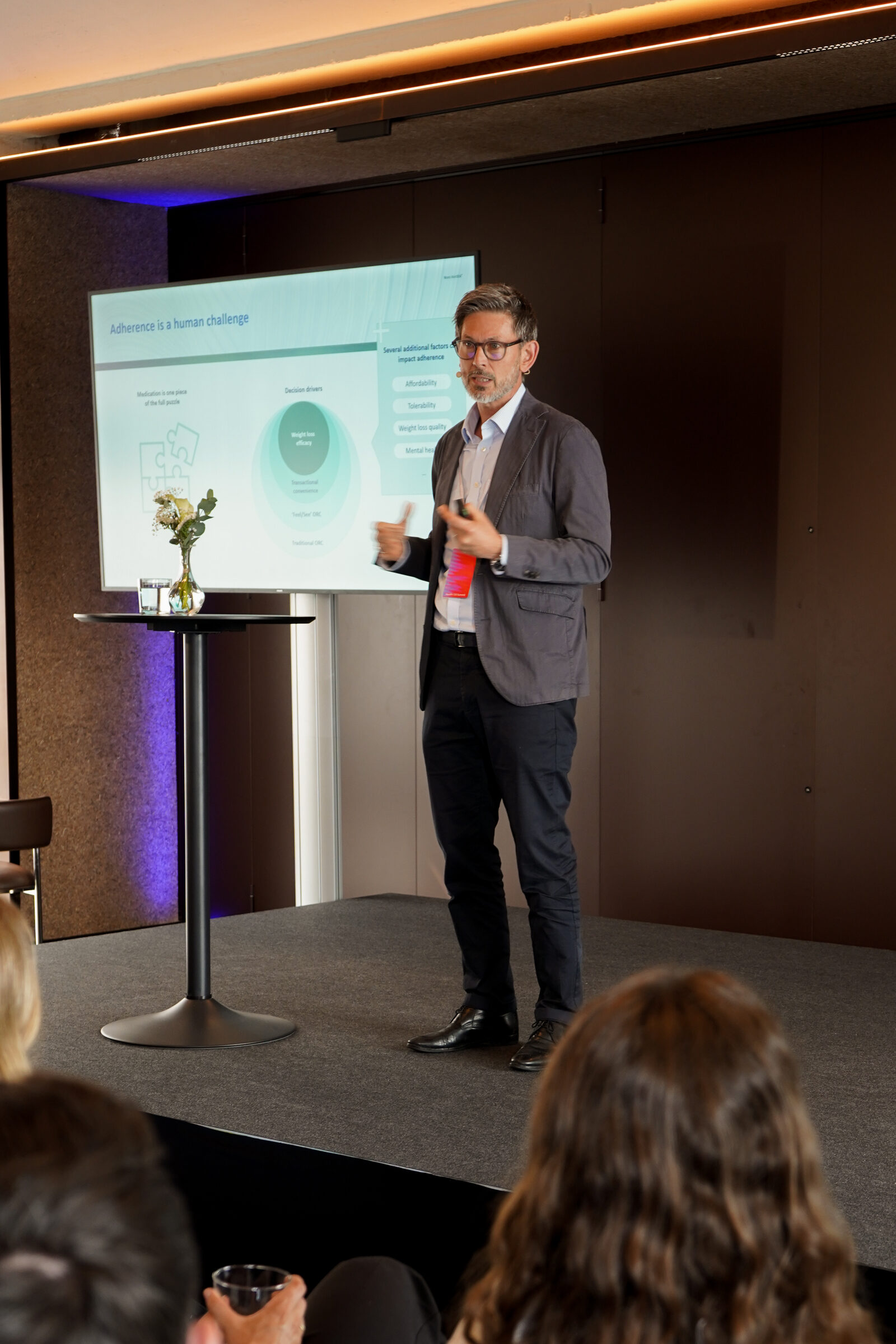
Patient Support and Adherence
For many conditions, the prescription is just the beginning. Real change depends on what happens after - whether patients stay engaged, and whether the right support actually reaches them at the right time. In this session, Mads W. Ø. Larsen (GM, Novo Nordisk Denmark) explores why adherence remains one of the hardest problems in healthcare, and what it takes to build systems that support patients throughout the full arc of their treatment.
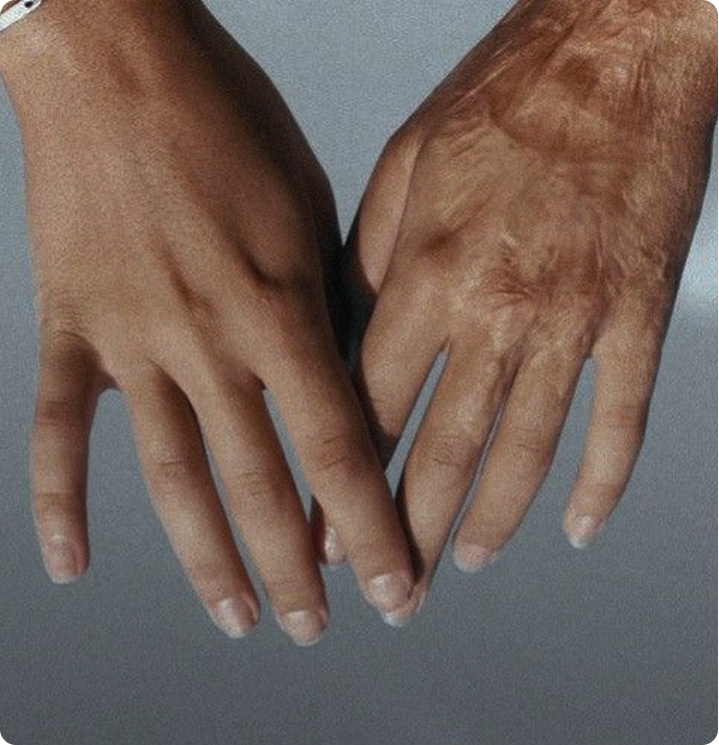
Mads W. Ø. Larsen (Novo Nordisk Denmark)

Mads W. Ø. Larsen (Novo Nordisk Denmark) · David Balaban (LEO Pharma) · Niklas Mellerup (Novo Nordisk) · Stine Tindahl (Lundbeck) · Blake Brigman (Novartis) · Moderator: Morten Kruse (Lundbeck)
Closing the Data to Action Gap
While data and AI solutions are widely discussed, what's harder to navigate is the organisational reality - the gap between strategy and execution, and between intent and the way decisions are actually made inside complex institutions. This closing session brings together perspectives from across life science to reflect on what industry-wide change looks like in practice, and what it demands of the leaders and structures trying to drive it forward.
Read our perspectives on Health 3.0. Why the shift is happening now, how data and AI are reshaping the future for every player in the health ecosystem, the challenges holding organizations back, and how we can move forward.